![[personal profile]](https://www.dreamwidth.org/img/silk/identity/user.png)
Review: Nil-Pray
a review by Kyla Lee Ward
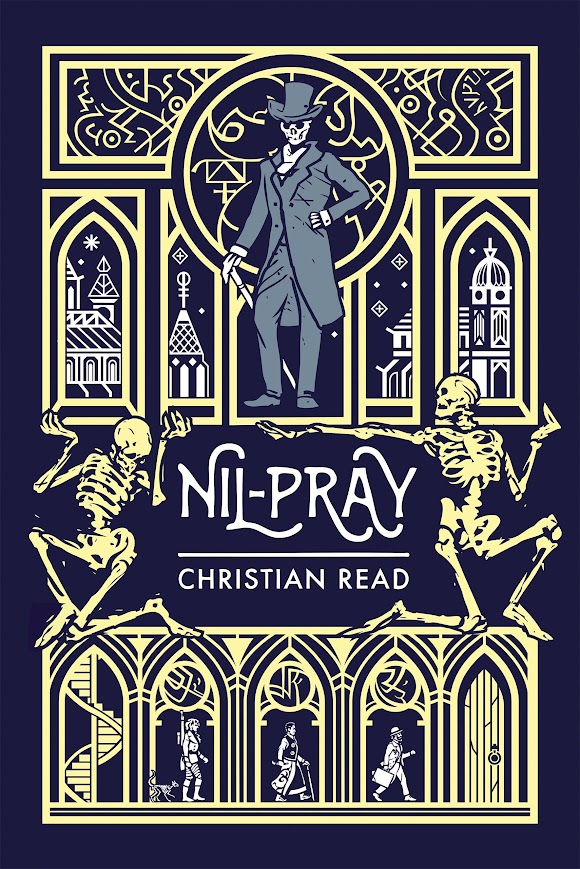
Nil-Pray, "No Skin Land" (poor Aingelish translation).
The Great War began when an Archduke was assassinated by a minor death cultist. What gave the Aingelish the advantage that eventually saw them the victors was their embrace of Science--only the hopelessly parochial call it magic any more. But it is now 1925 and the consequences of creating werewolfen and binding asuras are starting to come home. Destruction on such an unprecedented scale has caught the attention of the Mortis Kings of Nil-Pray and for the first time, the ancient city of the Dead has accepted a Quick ambassador.
Richly inventive and wickedly cynical, this is a City narrative of sublime effect. As the young necromancer, Edmund Carver, and Shen, his suspiciously efficient batman, negotiate the Coriaceous Way through layer after layer of plots, assassins, bizarre rituals and downright disturbing architecture, they are forced to interrogate their own convictions, alongside the universals of power, difference and hatred.
"Nil Pray was a peculiar place to hate in. It was a refuge where the Dead found a queer felicity but, for all that, often kept habitudes from their Quick days. It was harder to hate for race when most skins had faded to leather brown or illness grey. Harder still when the skin had faded to muscle and bone. Often, gender was equally flimsy a foundation for bias, Breasts sagged to nothing. Penises rotted. Scrotums burst…. There was one simple divide immediate to all. The Carnal remained embodied and incarnate and the Spectral did not."
It is difficult for either kind to damage the other. But Lord Stricken of the Carnal and the Geistenrex of the Spectral have not only remembered war, they have discovered technology..
To read the full review, please go here.
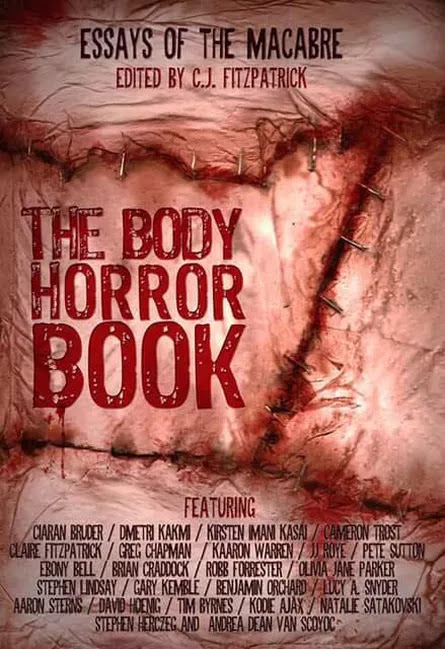 Do you like your horror stories with a healthy dose of violated taboos, grotesque bodily transformations and images that shock you out of complacency? Claire Fitzpatrick (author of Only The Dead) does and, in her introduction to this non-fiction collection, shares her urge to understand why. But first must come the question, what constitutes Body Horror? The answers provided by the writers, editors and critics herein include "...a method of us confronting disease, disability and disfigurement in a safe way..." (Peter Sutton), "...a fundamental violation of what we know about matter and energy..." (Andrea Dean Van Scoyoc), and "All horror is Body Horror." (Dmetri Kakmi). There may not be a consensus, but there is plenty of lively debate.